Episodic → Continuous
Captures the hours between visits, not just appointments.
Home Health
Most health events at home begin with subtle warning signs that go unnoticed. eShirt® is the continuous monitoring garment that captures the hours between visits — so families, clinicians, and care teams can act before a crisis.
Every year, millions of older adults experience preventable health events that lead to emergency visits, hospitalizations, falls, and lost independence — driving cost and anxiety for families and the care system alike.
Many of these events begin with quiet, measurable changes — days or weeks before symptoms become obvious. eShirt is built to see them.
Unlike watches, pendants, or manual monitoring devices, eShirt continuously monitors clinical-grade health signals through smart-textile sensors woven directly into everyday clothing. The wearer simply puts the shirt on. The system does the rest.
Captures the hours between visits, not just appointments.
A shirt — not a strap, patch, or pendant the wearer will take off.
Governance-first architecture, clinician-controlled alerts, patient-controlled data.
Two composite stories — drawn from the people continuous monitoring is built for.
A patient story
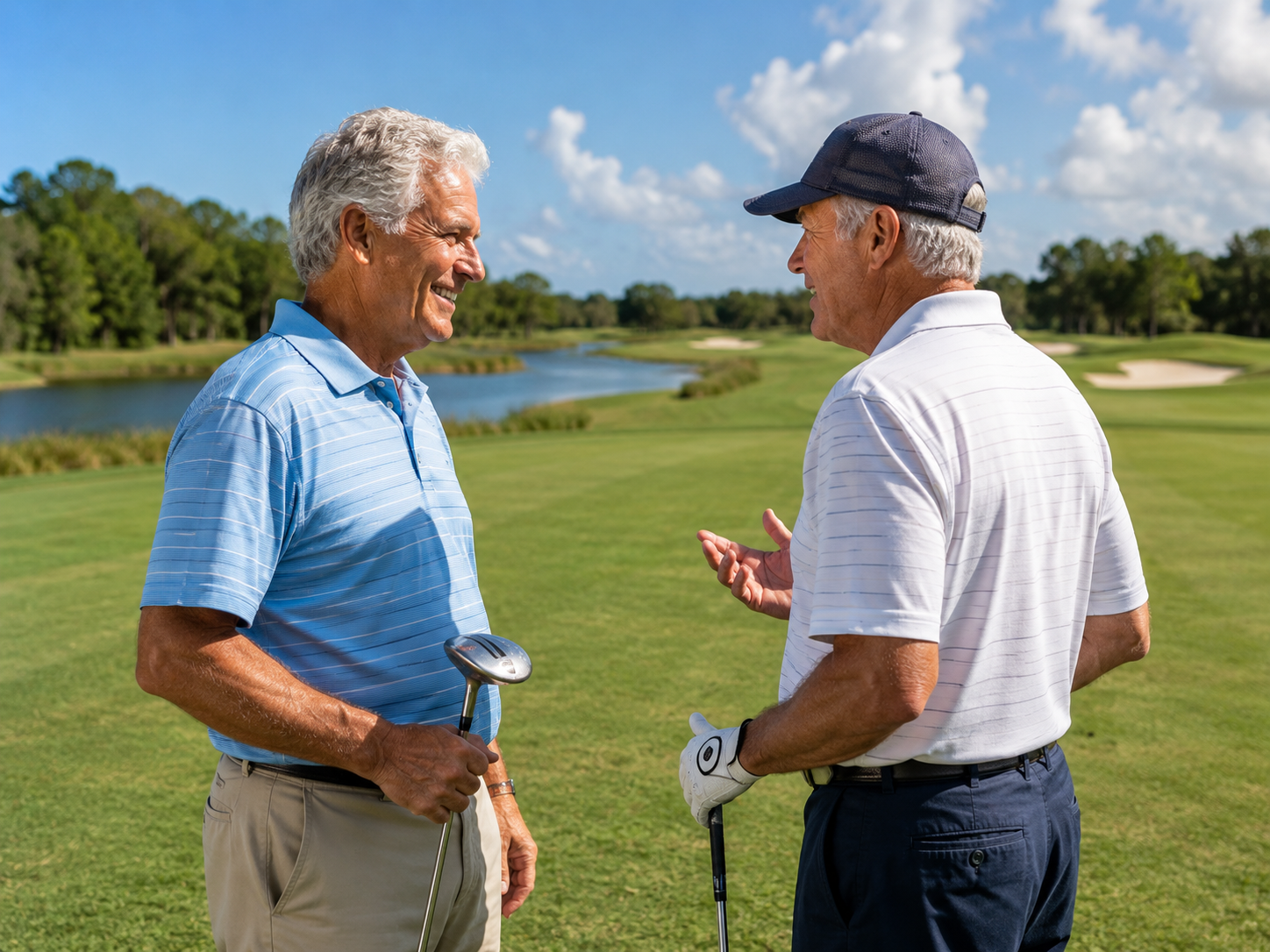
Retired mechanical engineer. Still inventing every day.
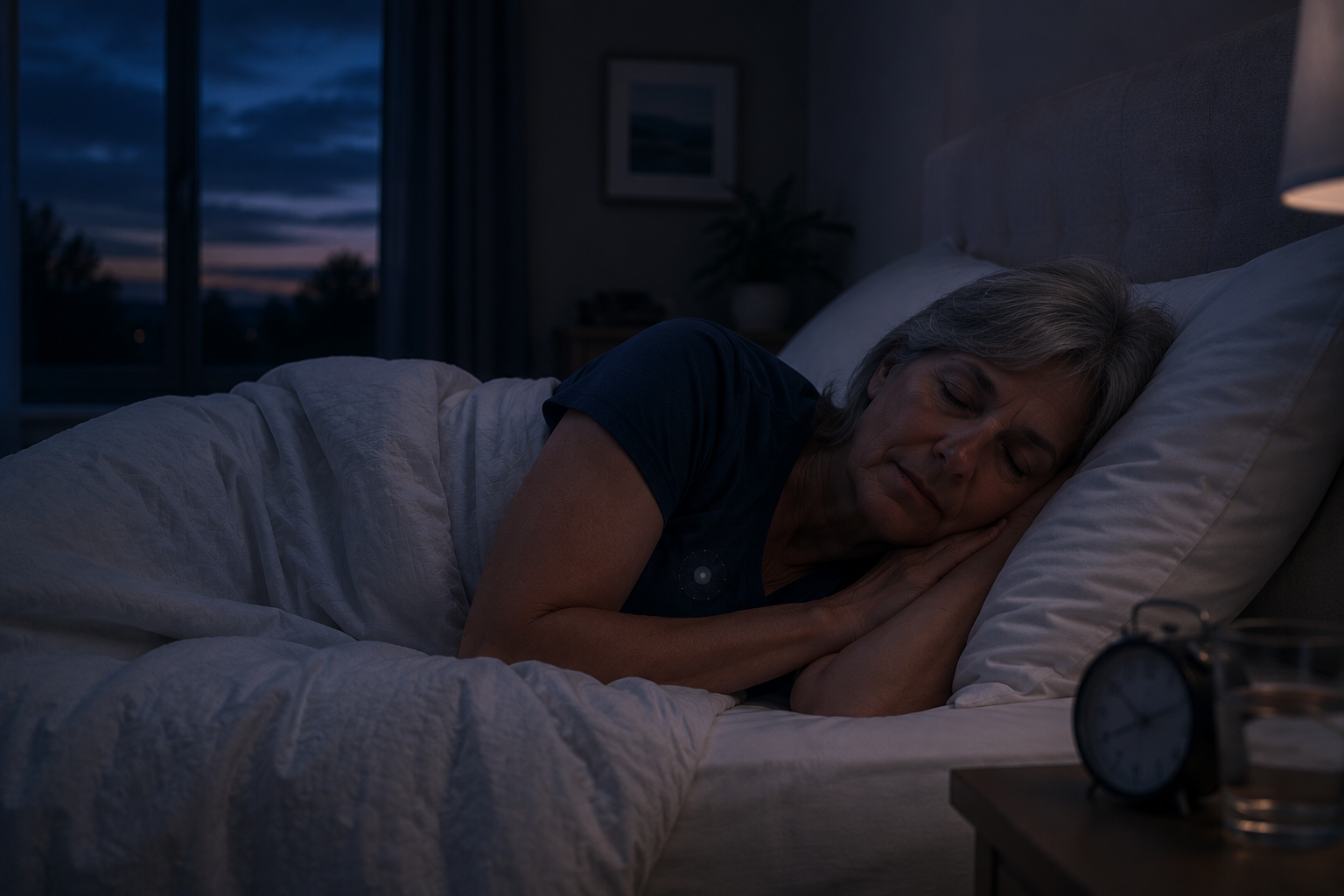
Larry lives on his own. He'd like to keep it that way. His family loves him — and worries about him — from three states away. He doesn't want a camera in his living room. He doesn't want to press a button around his neck. He wants to put on a shirt in the morning and get on with his day.
eShirt is designed for Larry. Continuous cardiac, respiratory, and mobility signals in the background. Dignity and independence in the foreground.
A caregiver story
Primary care physician. Wife, daughter, mother of two.
Dr. Wendy sees her patients every few months. In between, she sees almost nothing — until a fall, an ER visit, or a decompensation event puts them back in front of her. She wants the hours between visits to stop being a blind spot.
eShirt gives Dr. Wendy an objective, continuous picture of physiologic status — with clinician-controlled alert thresholds, so the signal that reaches her is the signal that matters.
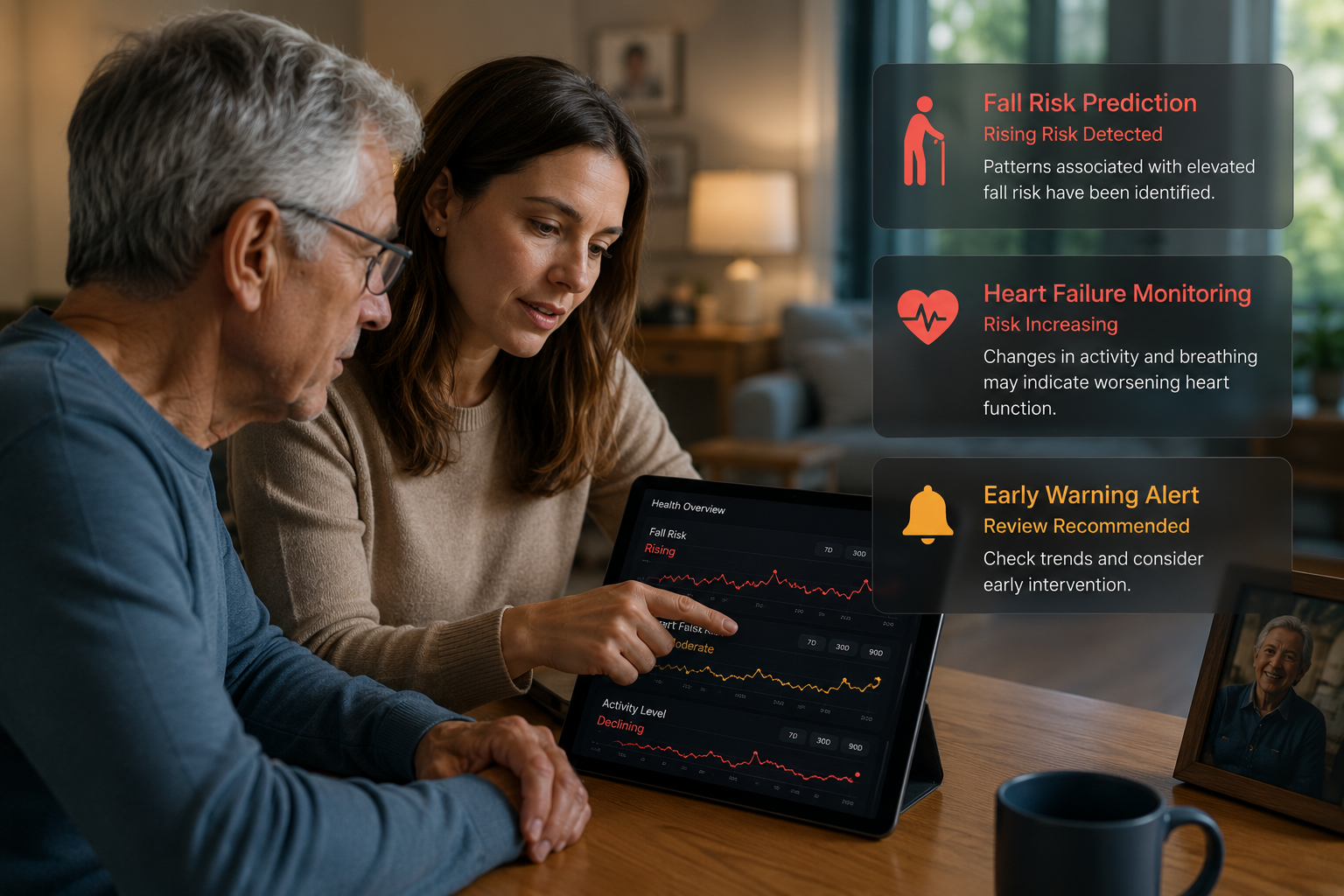
Most devices report what already happened. eShirt helps anticipate what could happen next. By analyzing continuous biometric trends, the platform identifies subtle changes that may indicate emerging concerns days — or even weeks — before symptoms become obvious.
eShirt identifies patterns associated with rising fall risk before a fall occurs. Families and caregivers are alerted when mobility or balance trends begin to decline.
Shifts in activity, breathing patterns, and recovery metrics may signal worsening cardiac conditions — surfacing the moment intervention is most useful.
Small changes in temperature, respiration, and activity often appear before an illness becomes serious. eShirt watches for these patterns continuously.
Changes in sleep, movement, and daily routine can surface behavioral shifts that warrant a closer look from the care team.
Thousands of data points are translated into clear, actionable insights — for the wearer, the family, and the care team.
Daily wellness snapshot
Simple. Actionable. Meaningful.
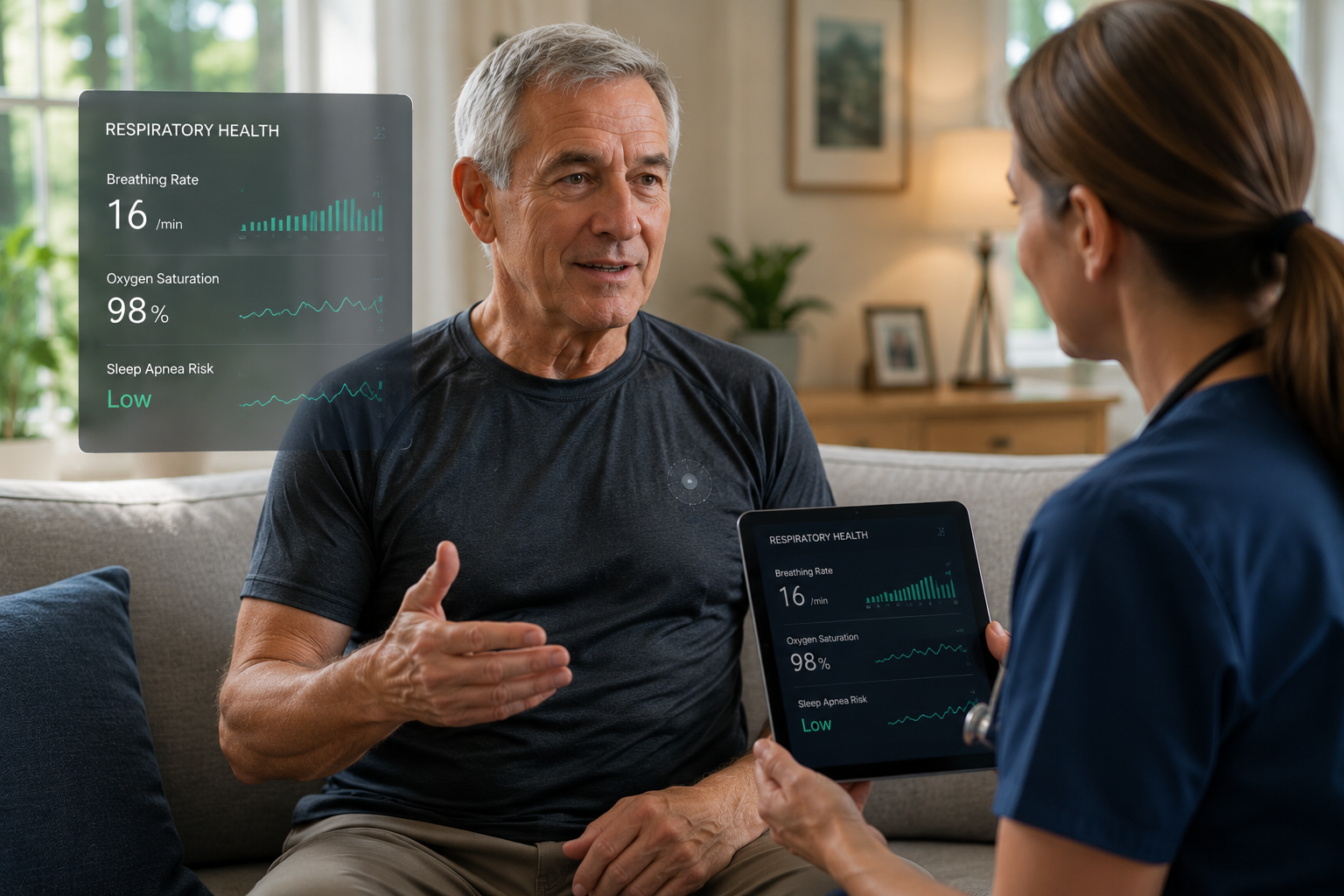
Imagine knowing that the person you love is being looked after every day — not by cameras, but by intelligent health-sensing technology. eShirt helps families stay informed while preserving privacy, dignity, and independence.
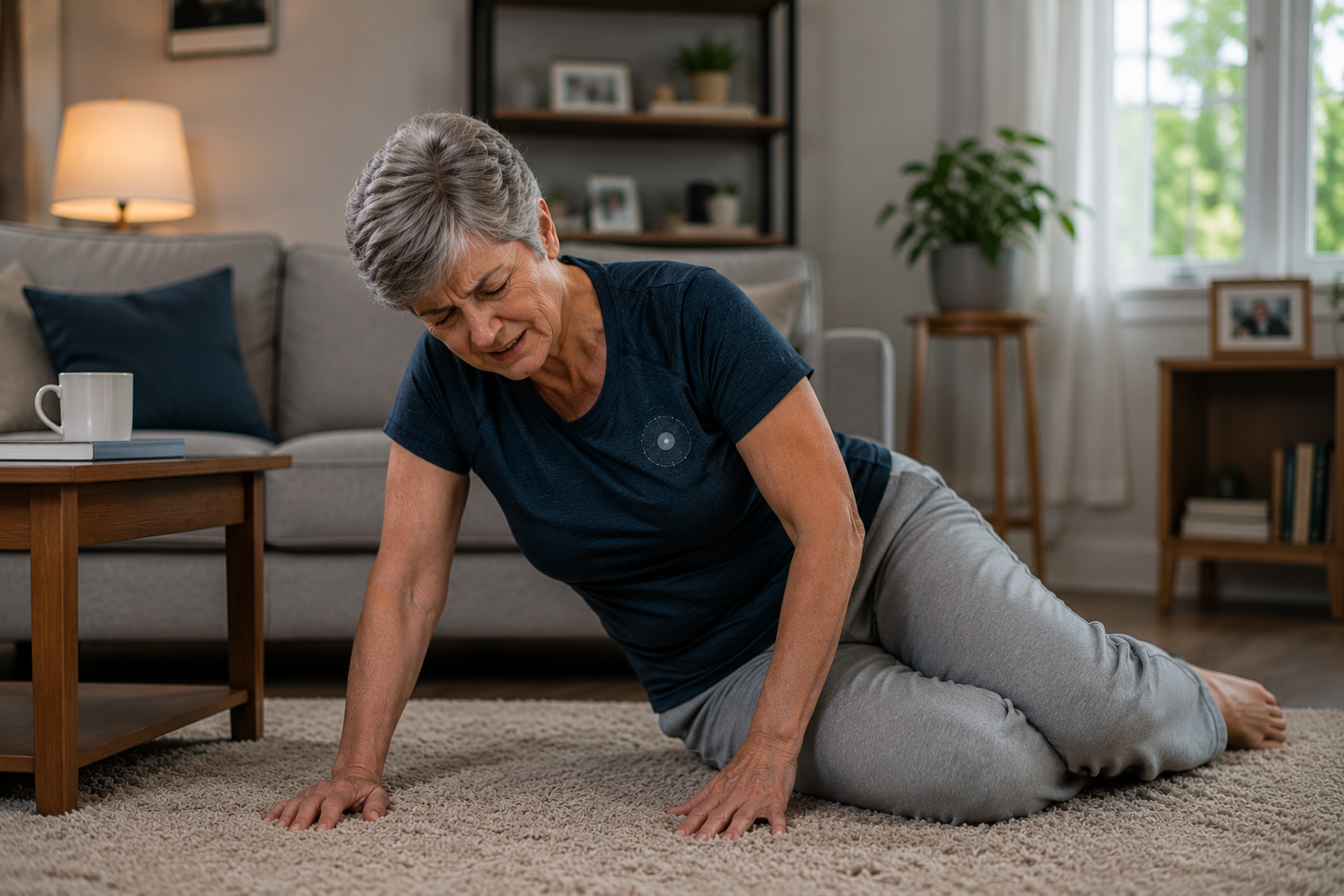
The future of care is moving beyond the hospital. eShirt enables:
to identify risks earlier and intervene sooner.
By 2050, more than 85 million Americans will be over the age of 65. Healthcare faces caregiver shortages, rising costs, more chronic disease, and growing demand for aging-in-place solutions. The answer is not more facilities — it is smarter care, in the home.
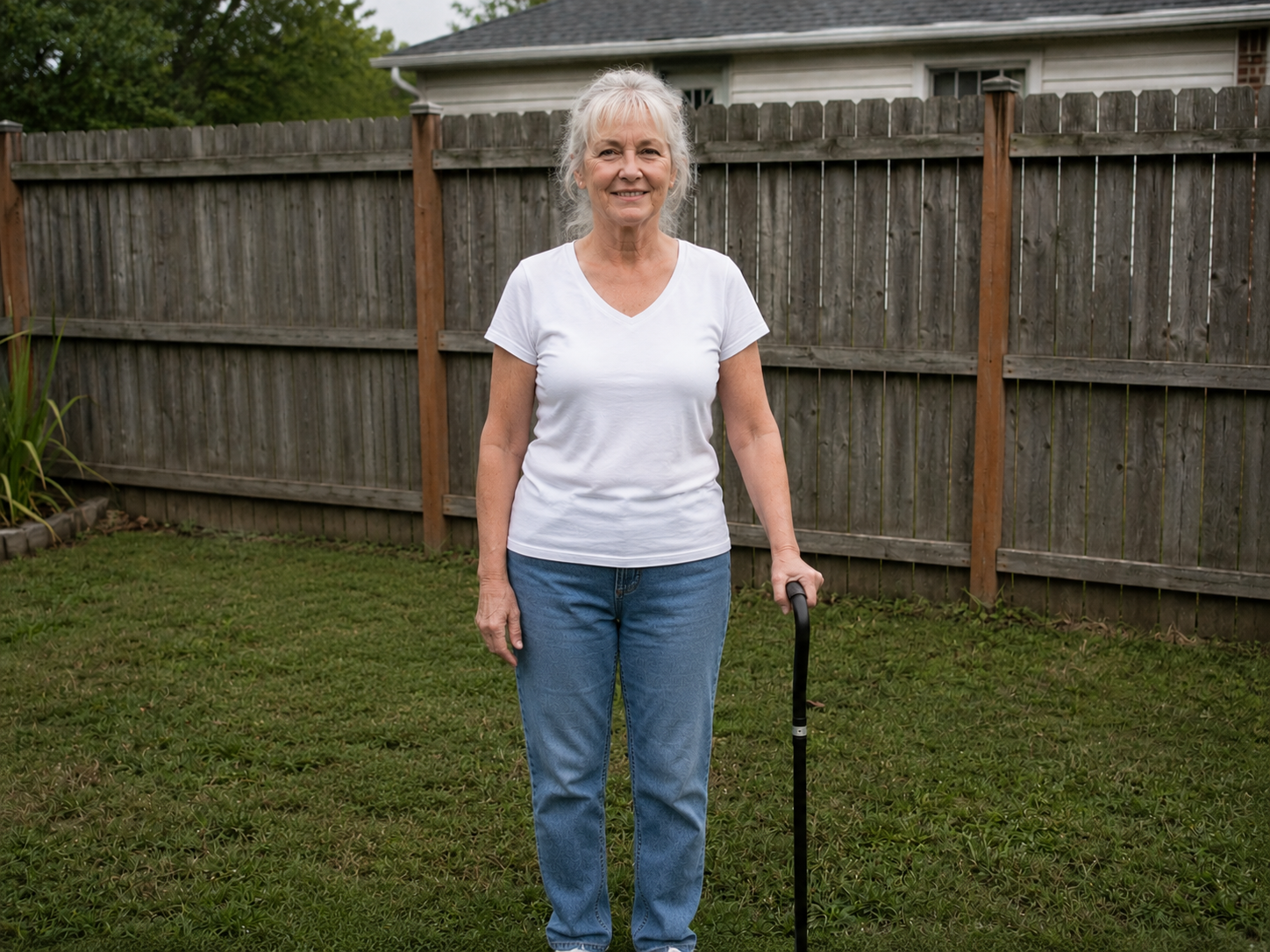
The fracture is the visible event. The decline that follows is what most often goes unseen.
One in four hip fracture patients dies within the first year, and the global burden is projected to reach $62 billion annually by 2050. Yet most orthopedic innovation flows toward ACL and knee — the higher-profile indications — while the patients with the highest human cost are left with the least continuous oversight.
These are older adults with comorbidities, cognitive decline, social isolation, and fear. The fracture is one piece of a much larger picture, and that complexity is precisely why the problem matters. Today the standard pathway is to fix the fracture, send the patient home, and hope for the best — with no objective visibility into whether they are recovering or quietly declining between episodic X-rays and self-reports from 80-year-olds who may not want to admit they are struggling.
eShirt is built to close that gap. Continuous cardiac, respiratory, mobility, gait, sleep, and activity signals give surgeons, home health teams, and families an objective view of recovery — surfacing deconditioning, infection, cardiac strain, and rising fall risk in the weeks where intervention still changes the outcome.
The biggest clinical problem in orthopedics, coupled with the largest underserved monitoring market. This is the population the industry has looked away from. It is exactly the population eShirt is built for.
eShirt is more than a wearable. It is a continuous health-intelligence platform designed to help people:
Because the best care happens before a crisis.
Live smarter. Age stronger. Stay home longer. Join the next generation of connected, continuous home healthcare.