News & Perspectives
Real Introductions
Real people — engineers, scientists, clinicians, and medical device executives — building continuous monitoring for the hours between visits.
"In the end, it's not the years in your life that count. It's the life in your years."
— Abraham Lincoln
Before we talk about sensors, signals, and software, we should introduce ourselves — because the work only matters if the people doing it do. We are real people: engineers, scientists, healthcare professionals, and medical device executives who have spent our careers building the kinds of systems that quietly hold clinical medicine together.
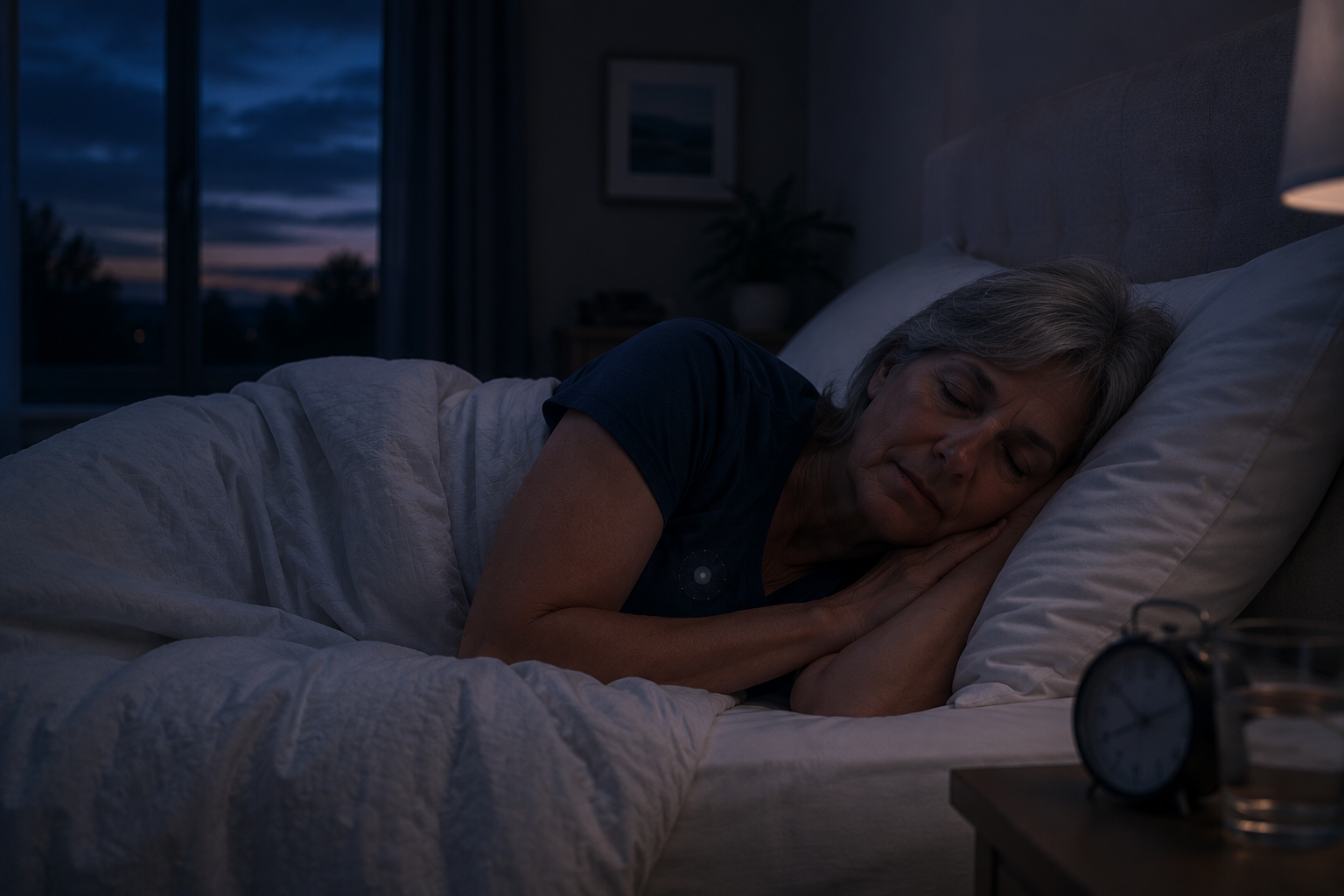
We came together around a simple belief — that the hours between visits deserve the same clinical attention as the minutes inside one. Most deterioration doesn't announce itself. It drifts in over days, in signals no one is watching. eShirt exists to make those signals visible, in a way that fits into a life instead of interrupting it.
Built for real lives — including the extreme ones
Continuous monitoring has to earn its place in a person's day. The garment has to be comfortable. The data has to be clinical. The alerts have to be useful. And the whole system has to be robust enough to work far from a hospital — because the people who need it most are rarely sitting in one.
To pressure-test that idea, we have designed field tests that go well beyond the clinic. An upcoming test of the eShirt system is planned to connect explorers operating in some of the most remote regions on the planet — high-altitude expeditions where a wearable has to keep working when nothing else does. Extreme environments aren't the point of the product; they are the proof that the product is ready for everyday care at home.
Why we lead with people
Continuous monitoring is not a gadget category. It is a promise to a patient, a family, and a clinician that the hours between visits will not be invisible anymore. Keeping that promise requires a team that has been in operating rooms, on VA campuses, in device approvals, in enterprise health IT, and in the homes where care actually lives. That is who we are, and that is the standard we hold this work to.